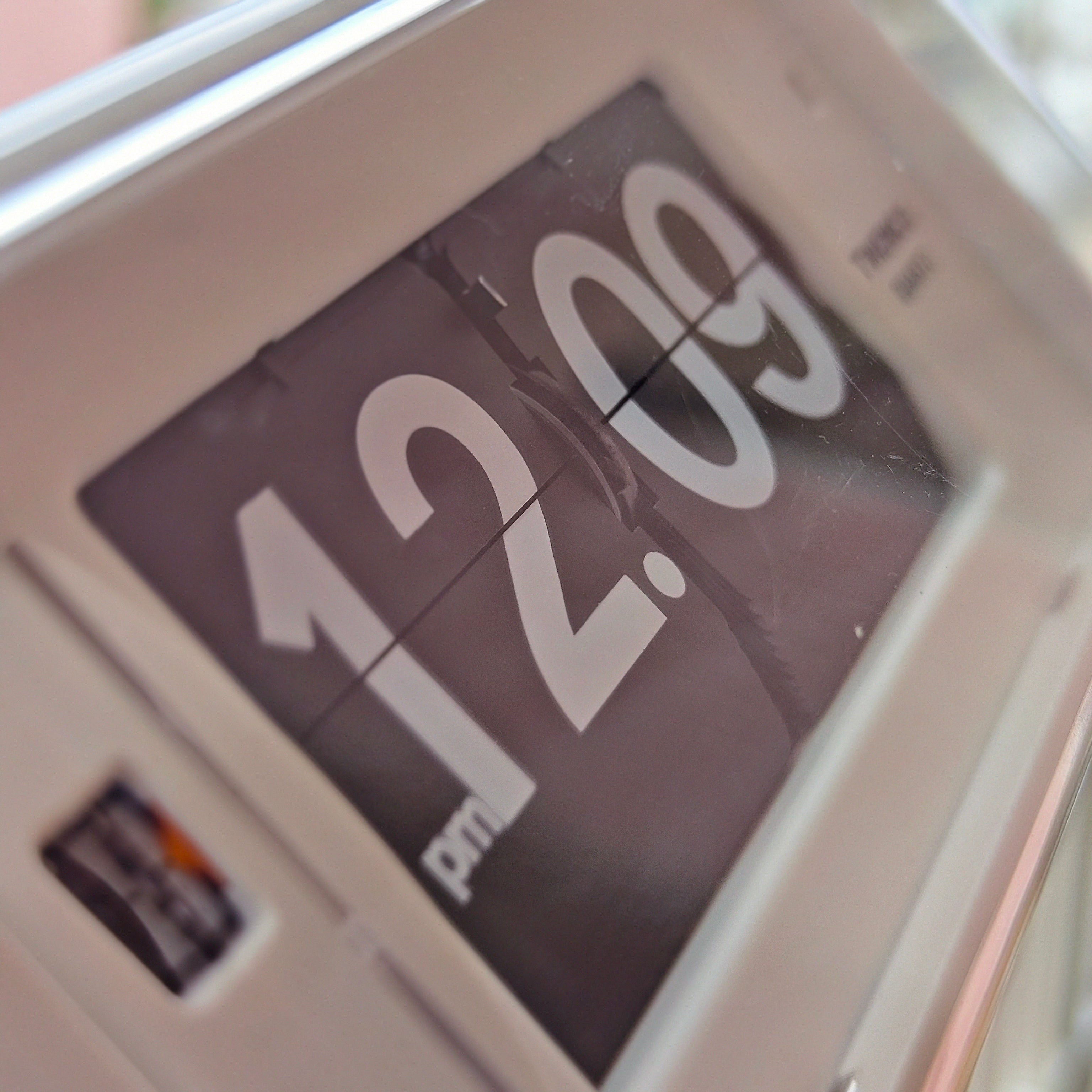
The Charm of Vintage Second Hand Clocks
Listen closely. In a quiet space, you're likely hearing the steady mechanical heartbeat of a classic clock. We usually ignore this thinnest hand until impatiently counting down a microwave timer, yet it effortlessly turns static decor into a living machine.
According to engineering data, that tiny needle actively performs 86,400 steps daily. Beyond basic timekeeping, a second hand clock shapes your sensory experience—its rhythmic ticking anchors a room's atmosphere while visibly diagnosing the motor's health.

How to Spot a Quality Movement Just by Watching the Hand Move
You might have noticed that a luxury watch looks different than a standard wall dial. The secret lies in how that thin needle travels. A spring-driven machine creates a "sweep movement," gliding seamlessly by releasing energy in tiny, rapid bursts. Conversely, a battery-powered analog clock with seconds uses a "quartz pulse," resting briefly before abruptly jumping forward to save energy.
Spotting the difference between mechanical vs quartz pre-owned movements is easy with this quick visual test:
-
The stutter: Stopping sharply on each mark means it is a battery-powered quartz.
-
The glide: Floating continuously reveals a spring-driven smooth seconds clock.
-
The sound: A loud "tick" indicates a battery, while a rapid, quiet flutter means mechanical.
High-end timepieces also feature "hacking seconds," which acts like a tiny emergency brake. Pulling the side crown stops the needle completely, allowing you to sync your watch perfectly to a reference time. Armed with these visual clues, you can confidently evaluate timepieces in the wild.
A Beginner’s Guide to Hunting Vintage Gems Without Getting Fooled
Stepping into a dusty estate sale feels like a treasure hunt, but separating a genuine antique from a clever reproduction requires a trained eye. The best vintage wall clock buying advice is to first examine the wood patina, the natural aging process that factories cannot fake. Next, look closely at the interior gears to start identifying authentic makers marks, as these stamped logos serve as a birth certificate.

Applying estate sale vs online auction hunting tips means knowing what might be missing before you buy. Watch for these four red flags when inspecting a second hand clock at an auction:
-
Missing components: A spring-driven machine is useless without its specific winding keys.
-
Perfect finishes: True antiques show uneven wear, while fakes look new.
-
Mismatched parts: When learning how to identify antique clock makers, ensure styles match.
-
Empty cabinets: Check that the pendulum wasn't lost.
Successfully rescuing a complete timepiece is incredibly rewarding and marks the beginning of the restoration journey.
Your 3-Step Plan for Bringing a Vintage Clock Back to Life
You can now confidently begin restoring a non-running mechanical timepiece. Start by cleaning brass clock gears safely with proper solutions—never use WD-40, which ruins delicate mechanisms! Next, try a simple grandfather clock pendulum adjustment: if time runs fast, lower the weight; if slow, raise it.
That sweeping second hand will soon represent your own careful craftsmanship. Enjoy these gentle tweaks, but always call a professional horologist if the movement resists your touch.