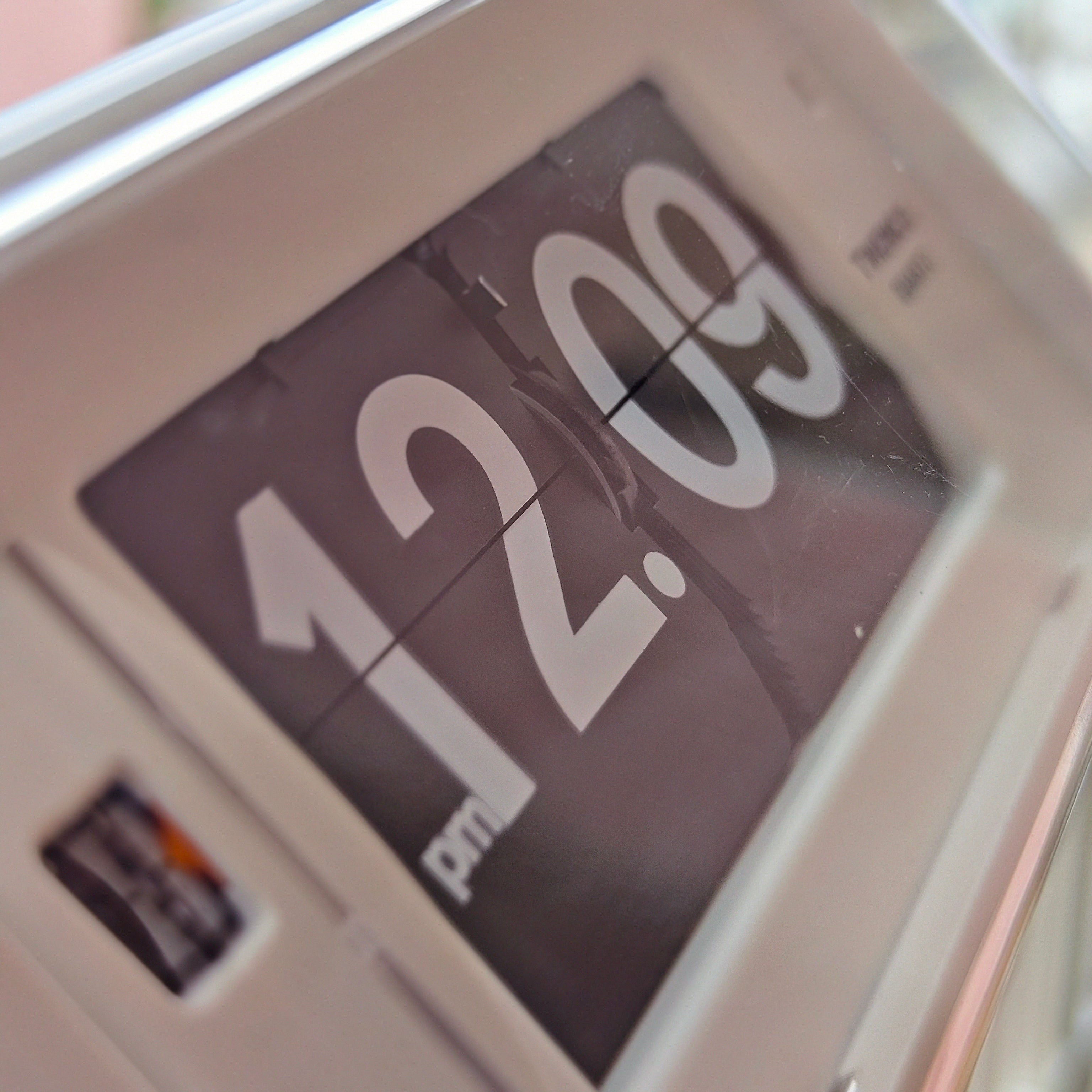
In a world saturated with glowing screens, constant notifications, and invisible digital interfaces, something unexpected is happening inside our homes: a quiet rebellion. The year 2026 is seeing a decisive shift away from cold, intangible technology toward objects that feel real, tactile, and rooted in time. This movement—often described as the “Analog Aesthetic”—is redefining what modern living looks and feels like.
At the center of this shift is a deeper cultural response to what many now call digital fatigue. After years of optimizing convenience and speed, people are beginning to question what’s been lost in the process: texture, presence, and emotional connection. The result is a growing desire to surround ourselves with objects that do more than function—they tell stories, invite interaction, and anchor us in the physical world.
From Cold Minimalism to Warm Presence
For much of the past decade, interior design leaned heavily into sleek minimalism. Think glossy surfaces, monochrome palettes, and smart devices seamlessly integrated into the background. While visually clean, these spaces often lacked character and emotional warmth.
In 2026, the pendulum is swinging the other way.
Homeowners are embracing richer materials—dark walnut woods, brushed brass, aged metals, and textured finishes—that bring depth and personality into a space. Instead of hiding mechanisms behind touchscreens, there’s a renewed appreciation for how things work. Visible gears, mechanical motion, and analog displays are no longer outdated; they’re desirable.
This is where retro-inspired objects, especially flip clocks, find their place.

The Return of Mechanical Time
Unlike digital clocks that quietly display time in static numbers, flip clocks perform time. Each minute is marked by a subtle, rhythmic flip—an audible and visual cue that time is passing. It’s a small detail, but one that creates a sensory experience.
That experience matters.
In the context of 2026 interior design trends, homeowners are prioritizing objects that engage more than just the eyes. A flip clock becomes more than a tool—it becomes part of the room’s atmosphere. The gentle flipping sound, the contrast of bold numerals against matte backgrounds, the weight of its materials—these elements combine to create a presence that digital devices simply can’t replicate.
Nostalgia Meets Personal Storytelling
Another defining theme shaping today’s interiors is nostalgia. But this isn’t about blindly recreating the past. Instead, it’s about selectively bringing in elements that evoke memory, emotion, and identity.
People want their homes to feel personal—curated rather than automated.
Retro objects like flip clocks naturally tap into this desire. They remind us of a time when design was intentional, when objects were built to last, and when technology felt more human. Whether it recalls a childhood memory, a vintage office aesthetic, or a specific cultural era, a flip clock carries narrative weight.
And in a world where everything is increasingly standardized, that sense of individuality is powerful.
The Rise of “Functional Decor”
Another key shift in retro home decor ideas is the blending of function and aesthetics. Homeowners are moving away from purely decorative items that serve no purpose, as well as purely functional items that lack beauty. Instead, they’re seeking pieces that do both.
A well-designed flip clock fits perfectly into this category.
It tells time—clearly and reliably—but also acts as a statement piece. Placed on a desk, shelf, or bedside table, it draws attention without demanding it. It complements both modern and vintage interiors, bridging styles rather than clashing with them.
This versatility is crucial in 2026, where design is less about rigid categories and more about layered, evolving spaces.

Slowing Down, Intentionally
At a deeper level, the Analog Aesthetic reflects a broader lifestyle shift. People are becoming more conscious of how they spend their time—and how their environment influences that experience.
Fast, frictionless digital tools have their place, but they also encourage constant acceleration. Analog objects, by contrast, introduce moments of pause. Watching a flip clock change from one minute to the next is subtle, almost meditative. It reminds you that time isn’t just something to optimize—it’s something to experience.
This philosophy aligns with other emerging trends, such as mindful living, slow design, and intentional consumption. It’s not about rejecting technology entirely, but about creating balance.

Designing Spaces That Feel Alive
Ultimately, the move toward analog elements is about making spaces feel alive. Not in a high-tech, automated sense, but in a human, sensory way.
A room with layered materials, meaningful objects, and subtle motion feels different. It has rhythm. It has warmth. It invites you to stay.
Flip clocks, with their mechanical charm and understated presence, embody this shift perfectly. They don’t compete for attention like a screen. Instead, they quietly enrich the environment—adding texture, sound, and story.
Looking Ahead
As we move deeper into 2026, it’s clear that interior design is no longer just about how a space looks—it’s about how it feels. The Analog Aesthetic isn’t a fleeting trend; it’s a response to a deeper cultural need for connection, authenticity, and sensory engagement.
For homeowners exploring 2026 interior design trends or searching for fresh retro home decor ideas, the message is simple: bring back what feels real.
Because sometimes, the most modern choice you can make… is to go analog.