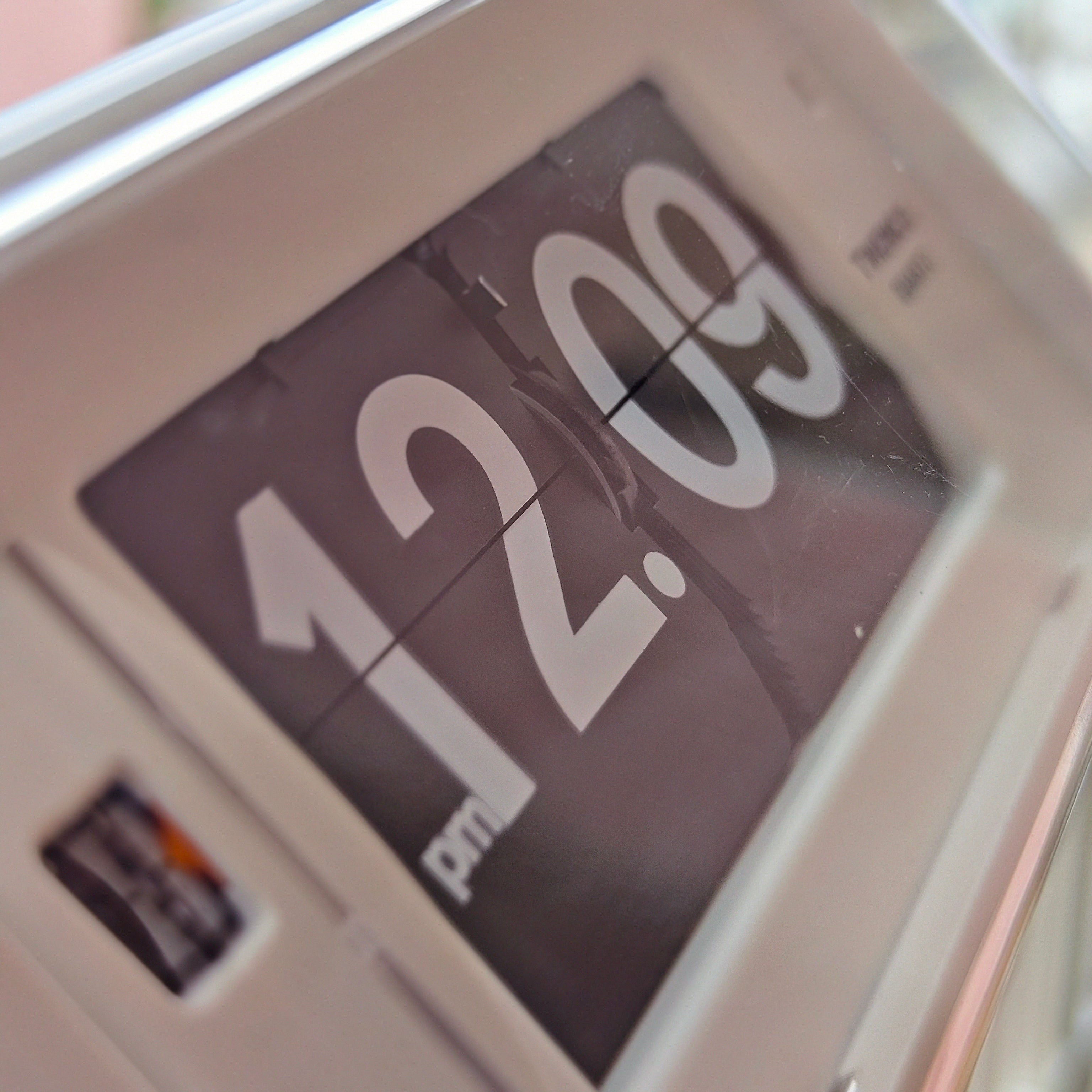
The Timeless Appeal of Flip Clocks
In an era dominated by digital timekeeping devices, the flip clock stands as a testament to the enduring charm of analog technology. These intriguing devices, characterized by their distinctive flipping action, offer a nostalgic nod to the past while maintaining their relevance in modern decor. This exploration delves into the timeless appeal of flip clocks, examining their historical significance, design evolution, and continued popularity.
The Inception of the Flip Clock
The journey of the flip clock began in the mid-20th century, a period marked by significant advancements in technology and design. The inception of the flip clock can be traced back to the need for an efficient and visually appealing alternative to traditional analog clocks. This innovative concept was brought to life by the talented engineer Remigio Solari, whose genius led to the creation of the first flip clock in 1966. Solari's design was groundbreaking, combining mechanical ingenuity with aesthetic appeal, and it set a new standard in timekeeping technology.
The Solari Udine Cifra 3
The Solari Udine Cifra 3, as it was called, introduced the world to a new way of telling time, using flaps that would turn over to indicate the hour and minute. This mechanism not only revolutionized timekeeping but also set a precedent for future designs. The allure of the flip clock lay in its mechanical simplicity and the rhythmic flipping of numbers, which captivated users and made it a staple in homes and offices worldwide. The Cifra 3 became an emblem of modernity and innovation, reflecting the optimism of an era keen on pushing the boundaries of design.

Global Adoption and Influence
As the flip clock gained popularity, it started appearing in various settings beyond the home. Offices, train stations, and airports adopted these clocks for their reliability and clear visibility. The global spread of flip clocks was a testament to their universal appeal and functional design. The influence of the flip clock extended into other areas of design, inspiring innovations in product design and architecture. By capturing the essence of the era's design ethos, flip clocks became icons of style and practicality, continuing to influence timekeeping devices today.
The Design Evolution: From Vintage to Modern
Flip clocks, over the years, have undergone significant transformations, both in form and function. The vintage alarm clock flip, for instance, embodies the quintessential mid-century aesthetic, with its bold numerals and sturdy construction. These early designs often featured a utilitarian approach, prioritizing functionality over embellishment.
Vintage Designs and Aesthetic
The vintage flip clocks were characterized by their robust construction and bold, clear numerals. Designed to be both functional and durable, these clocks were often housed in metal or sturdy plastic casings. The straightforward design of these early models reflected the mid-century modern aesthetic, which emphasized simplicity and functionality. These clocks were often found on bedside tables and in office settings, where their reliability was appreciated.
Transition to Modern Styles
However, as time progressed, the flip clock evolved to accommodate changing tastes and technological advancements. Modern iterations, such as the Twemco flip clock, showcase sleek lines and minimalist aesthetics, appealing to contemporary sensibilities. Designers began to experiment with new materials and finishes, introducing elements like polished metals, acrylics, and vibrant colors. The Twemco flip clock, in particular, is renowned for its precision engineering and timeless design, making it a favorite among collectors and enthusiasts alike.
The Role of Color and Material
The incorporation of vibrant colors, such as the iconic Twemco flip clock in orange, further expanded the appeal of these devices, allowing them to serve as both functional timepieces and artistic statements. Modern flip clocks often feature a variety of finishes, from matte to glossy, and come in colors that can complement or contrast with interior decor. This evolution highlights the adaptability of flip clocks, as they continue to bridge the gap between vintage charm and modern sophistication. The choice of materials and colors allows these clocks to be integrated into diverse environments, from industrial lofts to minimalist homes.

The Mechanics Behind the Magic
At the heart of every flip clock is a meticulously engineered mechanism that ensures accurate timekeeping and smooth operation. The core component of this system is the flip card mechanism, which consists of a series of numbered cards that flip over to display the correct time. This process is driven by a synchronous motor, which maintains consistent speed and precision.
The Flip Card Mechanism
The genius of the flip clock lies in its analog flipping clock mechanism, which eliminates the need for intricate gears or digital displays. Instead, the simplicity of the design ensures reliability and longevity, making flip clocks a practical choice for discerning consumers. The rhythmic flipping of the cards also adds a tactile element to timekeeping, offering a sensory experience that digital clocks cannot replicate. The flip card mechanism is a marvel of mechanical engineering, designed to operate smoothly and quietly, ensuring the clock's longevity.
The Role of the Synchronous Motor
The synchronous motor is a crucial component of the flip clock, responsible for driving the flip card mechanism with precision. This motor operates at a constant speed, ensuring that the time displayed is always accurate. The use of a synchronous motor is a testament to the flip clock's commitment to precision and reliability. This motor's design has remained largely unchanged over the years, reflecting the enduring effectiveness of this technology. Its consistency and durability make it an ideal choice for timekeeping applications.
Simplicity and Reliability
The simplicity of the flip clock's design is one of its most appealing features. Without the complexity of digital circuits or fragile components, flip clocks are remarkably robust and dependable. This simplicity translates into fewer points of failure, making these clocks highly reliable over long periods. The straightforward design also means that maintenance is minimal, further enhancing the clock's appeal as a timeless and practical device. This blend of simplicity and reliability is a key factor in the enduring popularity of flip clocks.
The Cultural Impact of Flip Clocks

by Galih Jelih (https://unsplash.com/@nixiesh)
Flip Clocks in Media
Flip clocks have transcended their utilitarian origins to become cultural icons, appearing in films, television shows, and art installations. Their distinctive design and nostalgic appeal have made them a popular choice for set designers and filmmakers seeking to evoke a particular era or mood. The flip number clock, in particular, has been featured in numerous iconic scenes, cementing its status as a symbol of timeless elegance. Classic films and TV shows often use flip clocks to subtly place their narratives within a specific time period, adding authenticity and charm to the scenes.
The Resurgence of Mid-Century Design
Moreover, the resurgence of interest in mid-century design has propelled flip clocks back into the spotlight, with vintage models fetching high prices at auctions and antique stores. This renewed appreciation for flip clocks underscores their enduring appeal and the emotional connection they evoke in those who grew up with them or admire their retro charm. Collectors and design enthusiasts alike seek out these clocks, valuing them for their historical significance and aesthetic appeal. The mid-century design movement has breathed new life into the appreciation of flip clocks, highlighting their timeless beauty.
Flip Clocks in Contemporary Art
In addition to their presence in media, flip clocks have also inspired contemporary artists and designers. These clocks often feature in art installations and exhibitions, where they are appreciated for their mechanical beauty and nostalgic resonance. Artists use flip clocks to explore themes of time, memory, and change, leveraging their iconic design to make powerful artistic statements. The integration of flip clocks into art highlights their cultural significance and the way they continue to inspire creativity across disciplines.
The Modern-Day Appeal of Flip Clocks
In today's fast-paced digital age, the flip clock offers a welcome respite from the constant barrage of notifications and alerts. Its analog nature and tactile design provide a sense of calm and simplicity, allowing users to reconnect with the act of timekeeping. The flip clock desk model, for instance, serves as a functional yet stylish addition to any workspace, offering both utility and aesthetic appeal.
The Flip Clock Desk Model
For those seeking a blend of tradition and innovation, the flip clock desk model presents a compelling option. These clocks combine classic design elements with modern materials and finishes, making them suitable for a variety of environments. Whether placed on a desk in a home office or a shelf in a living room, flip clock desk models serve as conversation starters and style statements. Their presence enhances the aesthetic of any space, offering a touch of nostalgia and sophistication.
Versatility in Interior Design
The flip wall clock is another popular modern iteration, seamlessly integrating into a variety of interior design styles, from industrial to Scandinavian, proving their versatility and adaptability. These clocks are often used as focal points in rooms, their bold design drawing the eye and complementing other decor elements. The variety of designs available ensures that there is a flip wall clock to suit every taste, from minimalist to eclectic. This versatility makes flip clocks a valuable addition to any interior design project.
Embracing Simplicity in a Digital World
As we navigate an increasingly digital world, the flip clock stands as a reminder of the beauty in simplicity and the enduring power of thoughtful design. Its analog nature provides a counterbalance to the complexity of modern technology, offering a tactile and engaging experience. This simplicity allows users to appreciate the art of timekeeping without the distractions of digital displays. Embracing a flip clock in a digital age is a nod to the elegance of simplicity, highlighting the enduring relevance of these iconic devices.

Conclusion: The Enduring Legacy of Flip Clocks
The flip clock's enduring appeal can be attributed to its unique blend of form and function, offering a nostalgic nod to the past while remaining relevant in contemporary settings. Whether as a vintage flip clock or a modern flip clock, these devices continue to captivate and inspire, serving as a testament to the timeless allure of analog design.
A Testament to Innovation and Elegance
Flip clocks remain a testament to innovation and elegance, showcasing the perfect balance between aesthetic beauty and practical functionality. Their design has stood the test of time, continually adapting to new trends while retaining their core appeal. As icons in the world of timekeeping, flip clocks represent the pinnacle of thoughtful design, highlighting the importance of innovation in creating lasting products.
The Role of Flip Clocks in Modern Life
In modern life, flip clocks serve as a bridge between past and present, offering a connection to simpler times while fitting seamlessly into contemporary settings. Their presence in homes and offices is a reminder of the enduring power of thoughtful design. As we continue to embrace digital advancements, the flip clock remains a cherished symbol of timeless elegance and mechanical ingenuity. Their legacy is one of innovation, elegance, and enduring appeal—a true icon in the world of timekeeping.
The Future of Flip Clocks
Looking to the future, flip clocks will likely continue to evolve, incorporating new materials and technologies while maintaining their classic design. As interest in sustainable and long-lasting products grows, the appeal of flip clocks is set to endure, offering a sustainable alternative to disposable digital devices. This commitment to timeless design ensures that flip clocks will remain relevant and cherished for generations to come.