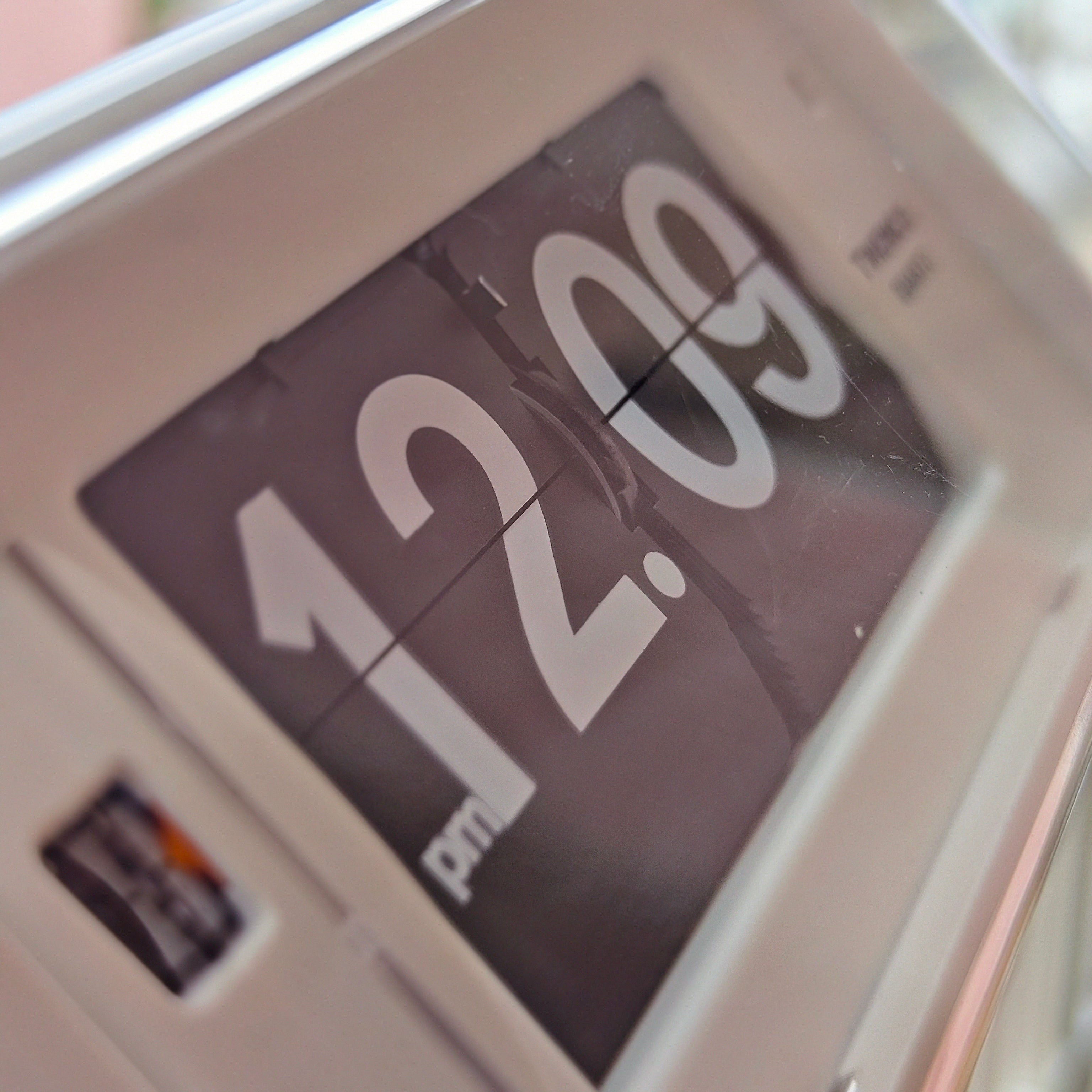
Have you ever stepped back to admire a perfectly arranged bookcase, only to feel the overall design looks strangely flat? According to interior designers, this static energy happens when a space lacks a decorative focal point to gently anchor the eye.
Industry data reveals that modern shelf clock designs are thriving as the ideal solution, acting like curated jewelry for your bookshelf. Introducing intentional movement through a sweeping metal hand instantly cures this visual stillness without cluttering the mind.
In practice, selecting decorative clocks for shelf displays means shifting your mindset from basic utility to aesthetic styling. You are balancing a clean silhouette with everyday function, ultimately transforming a simple timekeeper into a dynamic element of your home's character.
Beyond the Tick: Choosing Between Minimalist and Mid-Century Silhouettes
Perfectly styled rooms can still lack a distinct focal point. When exploring contemporary shelf clocks, the secret to anchoring your decor lies in "silhouette weight"—how heavy or light an object appears simply based on its overall shape.
For spaces with plenty of patterns or busy wallpaper, a lighter footprint works best. Beautiful minimalist mantel clocks for living room shelves often feature numberless dials, stripping away traditional digits for a sleek, needle-thin look. This creates quiet breathing space that draws the eye without cluttering the mind.
If your decor feels slightly bare, you might need something noticeably bolder. Mid-century style fireplace timepieces typically use striking geometric shapes, like sharp angles or wide brass orbs, to add substantial visual weight. These confident silhouettes can instantly sharpen a room's soft lines and provide structural interest.
The outline of your clock ultimately dictates how it commands attention alongside your other decor. Once you settle on the perfect geometric shape or minimalist curve, the next step is bringing that silhouette to life through physical textures like marble or gold.

Texture and Time: Matching Clock Materials like Marble and Gold to Your Aesthetic
While a clock's silhouette establishes its physical footprint, the actual material dictates its gravity. Building on the warmth different textures bring to a room, "material weight" determines if modern tabletop clocks feel casually light or deliberately grounded on your shelf.
Beyond simply tracking hours, your choice of finish impacts how the piece behaves in its environment. High-gloss surfaces reflect light to brilliantly brighten dimly lit corners, though polished acrylics demand more frequent dusting than natural, porous stone. Conversely, choosing clock materials for various aesthetics often leads designers toward matte finishes, which expertly absorb harsh glare in sun-drenched rooms.
Consider how these distinct textures shift your room's vibe:
-
Marble and gold accent clocks: Visually heavy and requiring sturdy shelving, this classic pairing injects instant luxury and metallic warmth.
-
Matte Metal: Perfect for industrial styling, offering a glare-free, substantial anchor for busy bookcases.
-
Light Wood: Delivers a breezy, low-maintenance Scandinavian feel that visually lightens dense, dark furniture.
Finding the right visual balance is only half the design equation. Once your new centerpiece looks seamlessly integrated, you must ensure it doesn't disrupt the room's auditory peace, bringing focus to the mechanics hiding inside the casing.

Silence is Golden: Why Silent Sweep Movements Matter for Modern Workspaces
Nothing shatters the focus of a productive home office quite like a relentless ticking sound. When selecting quiet tabletop clocks for minimalist workspaces, prioritizing non-ticking silent sweep clocks is essential. Their mechanisms glide continuously instead of jumping, instantly preserving your concentration without sacrificing style.
This smooth motion still relies on a familiar powerhouse: the modern battery. Most contemporary decor uses these mechanisms because quartz movement reliability and maintenance are unbeatable. They offer a brilliant "set it and forget it" solution, keeping perfect pace for months without the need for manual winding.
For absolute perfectionists, atomic timekeeping accuracy for home use takes convenience further by syncing via radio signals to an official standard, automatically adjusting for daylight saving time. Before buying your ideal timekeeper, run through this quick checklist to guarantee a peaceful environment:
-
Check the specs: Look explicitly for the phrase "sweep movement."
-
Watch the rotation: A seamless glide means silence; a stuttering hand means ticking.
-
Test the acoustics: If shopping in-store, hold it near your ear to confirm true quiet.
Once you have secured a silent, reliable mechanism, the final step is mastering placement to maximize visual impact.
The Art of the Shelfie: How to Style a Clock for Maximum Visual Impact
Finding the perfect spot requires balancing bold design with the practical reality of your room's layout. When determining the best height for eye-level clock placement, choose a surface that sits directly in your natural line of sight from your most frequently used chair. This guarantees effortless legibility across the room without sacrificing style.
Scale dictates how to style a clock on a bookshelf without it getting swallowed by empty space. Interior decorators rely on the visual "Rule of Thirds" to maintain perfect proportion. Simply ensure your chosen timepiece fills roughly one-third of the vertical gap between your shelves, anchoring the display beautifully without overpowering it.
Depth is what truly elevates a flat arrangement when decorating bookshelves with contemporary timepieces. Try the layering technique by positioning your bookshelf clock slightly offset in front of leaning hardcovers, or tucked partially behind a small potted plant. This subtle overlapping creates rich visual context, making the piece feel intentionally integrated rather than randomly dropped.
Mastering these simple placement rules ensures your new decor looks curated rather than cluttered, bringing movement, scale, and styling together into a cohesive display. For a room-by-room look at placement, scale and negative space, read our guide to styling a flip clock in a modern interior.

Your Modern Timepiece Roadmap: A 3-Step Selection Plan
You no longer need to view modern shelf clocks as simple utility objects. Instead, you can confidently curate these pieces as intentional focal points that seamlessly anchor your room.
Before choosing designer table clocks, run through this final purchase checklist:
-
Sound: Verify a silent sweep movement to ensure a quiet environment.
-
Size: Select a clock based on specific shelf dimensions and ideal proportions.
-
Style: Match the materials directly to your room’s existing anchor pieces.
Start by looking at that empty shelf gap with fresh eyes. Exploring contemporary table clocks is about balancing beautiful silhouettes with daily function. Place your curated new timepiece, and notice how it instantly grounds your entire display.