History, Mechanics, Design, and Why People Still Love Them in the Digital Age
In an age dominated by glowing screens, silent smart devices, and invisible technology, there is something strangely comforting about the sound of a flip clock changing the hour. That crisp mechanical flip has become more than a way to tell time — it is a symbol of craftsmanship, nostalgia, and timeless design.
From retro train stations to modern minimalist interiors, flip clocks have endured for decades. Once considered futuristic, then outdated, and now iconic again, they occupy a unique place in design history. Today, collectors, interior designers, productivity enthusiasts, and vintage lovers are rediscovering why these mechanical masterpieces continue to fascinate people around the world.
Whether you are discovering flip clocks for the first time or already own one, this guide explores everything you need to know: their origins, how they work, why they became cultural icons, and why they still deserve a place in modern homes.
What Is a Flip Clock?
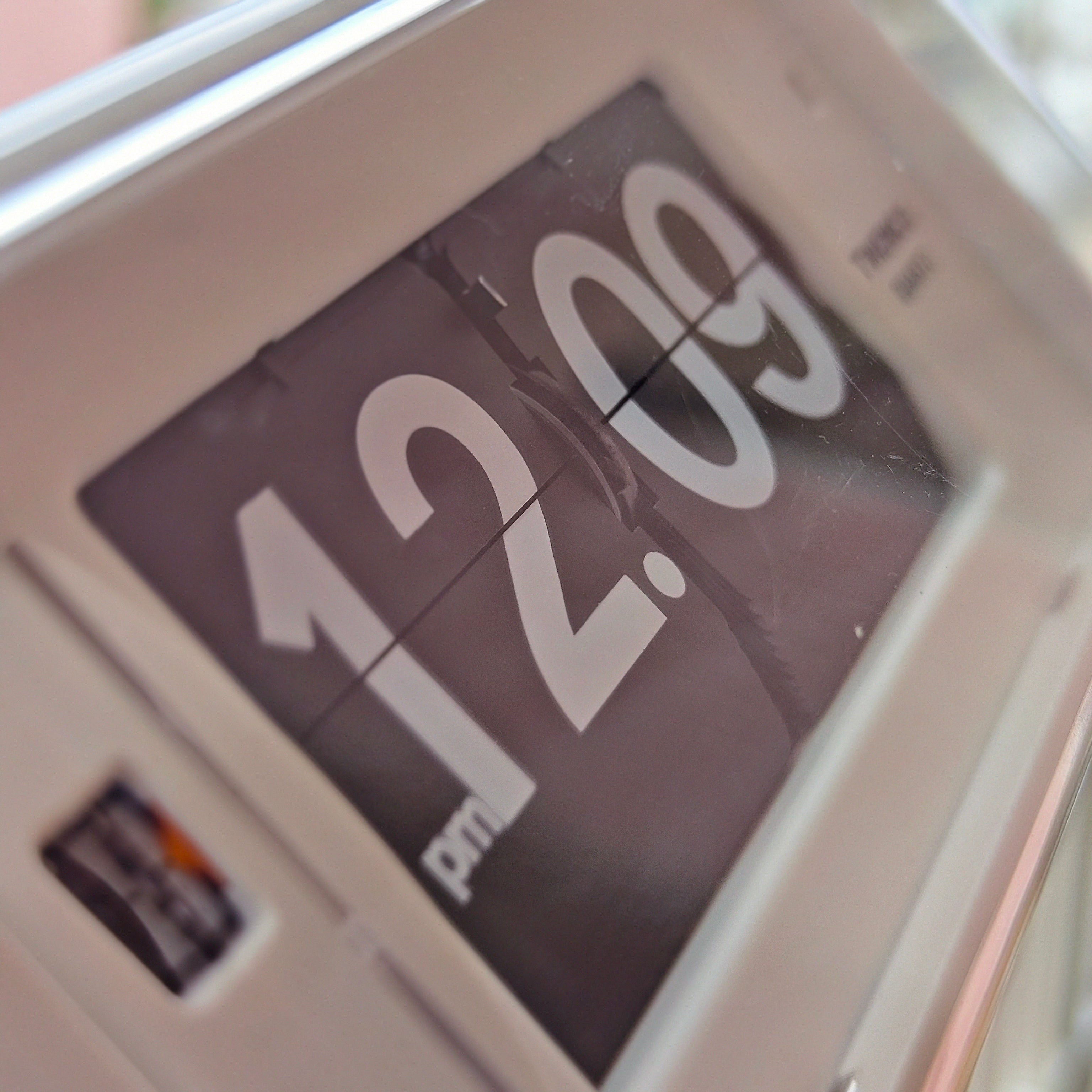
A flip clock displays time using printed cards or panels that mechanically flip to reveal the next number. Unlike traditional analog clocks with hands or digital clocks with LED displays, flip clocks use physical movement to show time progression. For a practical breakdown of operation, sound, upkeep and use cases, see our comparison of mechanical flip clocks and digital flip clocks.
The signature motion is simple yet mesmerizing:
-
A numbered card flips downward
-
The next number appears instantly
-
A distinct flipping sound accompanies the transition
This tactile mechanism gives flip clocks their unmistakable character.
Most flip clocks display:
-
Hours
-
Minutes
-
Sometimes seconds
-
Occasionally date and day indicators
Their appeal lies not only in functionality but in the experience of watching time physically move.

The Origins of Flip Clocks
Early Mechanical Inspiration
Before flip clocks existed, mechanical clocks dominated the world for centuries. Railway stations, industrial factories, and public transit systems relied on synchronized mechanical timekeeping devices.
Designers sought a way to make clocks:
-
Easier to read
-
More modern
-
Faster to interpret from a distance
The idea of displaying numbers instead of clock hands emerged as a practical solution.
The Birth of the Flip Clock
The flip clock as we recognize it today became popular during the mid-20th century, especially in the 1950s and 1960s.
One of the most influential designs came from the famous Swiss clock manufacturer Solari di Udine, which developed split-flap display systems used in:
-
Airports
-
Train stations
-
Bus terminals
These displays inspired smaller consumer versions for homes and offices.
Soon after, companies around the world began producing desktop flip clocks that reflected the futuristic aesthetic of the Space Age era.

Why Flip Clocks Became Popular
1. Futuristic Design
At the time, flip clocks looked revolutionary.
During the 1960s and 1970s, society became obsessed with:
-
Space exploration
-
Jet-age aesthetics
-
Modern industrial design
-
Automation
Flip clocks perfectly matched this futuristic optimism.
Their mechanical movement felt advanced compared to traditional clocks.
2. Easy Readability
Unlike analog clocks, flip clocks allowed people to read the time instantly without interpreting hand positions.
This made them especially useful in:
-
Offices
-
Factories
-
Transportation hubs
-
Bedrooms
Large numerals improved visibility from across a room.
3. Mechanical Satisfaction
Humans naturally enjoy tactile and kinetic experiences.
The flipping motion:
-
Feels alive
-
Creates anticipation
-
Marks the passage of time physically
Even today, many people find the flipping sound calming and satisfying.
How Flip Clocks Work
One of the most fascinating aspects of flip clocks is their mechanical engineering.
While designs vary, most flip clocks use a combination of:
-
A motor
-
Gears
-
Rotating drums
-
Hinged number cards
Here is a simplified breakdown.
The Basic Mechanism
Step 1: Timekeeping Motor
Inside the clock is a small motor that keeps consistent timing.
Older models often used:
-
Synchronous AC motors
-
Mechanical gearing systems
Modern versions may use:
-
Quartz movements
-
Silent electronic timing systems
Step 2: Gear Rotation
The motor slowly rotates gears that track:
-
Seconds
-
Minutes
-
Hours
These gears control when a flip should occur.
Step 3: Triggering the Flip
At the correct moment:
-
A gear releases tension
-
The current number card flips downward
-
The next number becomes visible
This happens almost instantly.
Why the Flip Motion Feels So Satisfying
The flipping effect combines:
-
Sound
-
Motion
-
Anticipation
-
Mechanical precision
Unlike digital clocks that silently change numbers, flip clocks create a tiny event every minute.
That physical interaction makes time feel more tangible.
Types of Flip Clocks
Not all flip clocks are the same. Over the years, different styles emerged.

1. Classic Mechanical Flip Clocks
These are the traditional designs from the 1960s–1980s.
Features include:
-
Exposed mechanical movement
-
Vintage aesthetics
-
Audible flipping sounds
-
Retro industrial styling
Collectors often seek these original models.
2. Modern Quartz Flip Clocks
Modern versions preserve the classic appearance while improving reliability.
Advantages:
-
More accurate timing
-
Lower maintenance
-
Quieter operation
-
Longer lifespan
These are ideal for everyday use.
3. Minimalist Designer Flip Clocks
Contemporary brands have reinvented flip clocks for modern interiors.
These often feature:
-
Clean lines
-
Matte finishes
-
Neutral colors
-
Scandinavian-inspired aesthetics
They fit perfectly into:
-
Minimalist homes
-
Creative workspaces
-
Luxury interiors
4. Large Statement Flip Clocks
Some flip clocks are designed as centerpiece décor items.
These oversized models:
-
Command attention
-
Create visual impact
-
Blend art with functionality
They are commonly used in:
-
Cafés
-
Design studios
-
Boutique hotels
-
Modern loft apartments
Why Flip Clocks Are Trending Again
After declining in popularity during the digital revolution, flip clocks have experienced a major comeback.
But why?
1. Digital Fatigue
People today spend enormous amounts of time staring at screens.
Modern life is filled with:
-
Notifications
-
LED displays
-
Smartphones
-
Smart devices
As a result, many people crave objects that feel:
-
Physical
-
Mechanical
-
Human
Flip clocks provide a refreshing contrast to digital overload.
2. Nostalgia
Vintage-inspired design has become increasingly popular.
People are drawn to objects that evoke:
-
Simpler times
-
Childhood memories
-
Analog experiences
Flip clocks trigger emotional connections that purely digital products cannot replicate.
3. The Rise of Analog Aesthetics
Interior design trends increasingly favor:
-
Warm textures
-
Mechanical objects
-
Natural materials
-
Timeless craftsmanship
Flip clocks fit naturally into this movement.
They add:
-
Character
-
Movement
-
Texture
-
Storytelling
to a space.
4. Social Media and Design Culture
Platforms like Instagram and Pinterest have amplified appreciation for aesthetically pleasing objects.
Flip clocks photograph beautifully because they combine:
-
Geometry
-
Symmetry
-
Motion
-
Vintage charm
They frequently appear in:
-
Desk setup videos
-
Workspace tours
-
Minimalist home décor inspiration
-
Productivity content
Flip Clocks as Interior Design Pieces
Today, flip clocks are often chosen as décor objects rather than purely functional tools.
Their sculptural qualities make them stand out in modern interiors.
Best Places to Use a Flip Clock

Living Room
A large flip clock creates a focal point while adding retro sophistication.
Home Office
The mechanical flipping motion can feel grounding during work sessions.
Many productivity enthusiasts prefer flip clocks because they reduce digital distraction.
Bedroom
Unlike bright LED clocks, many flip clocks feel softer and less intrusive at night.
Studio or Creative Space
Flip clocks pair especially well with:
-
Industrial interiors
-
Mid-century modern furniture
-
Minimalist workspaces
-
Retro-inspired rooms
Choosing the Right Flip Clock
If you are considering buying one, several factors matter.
1. Size
Ask yourself:
-
Do you want a subtle desk clock?
-
Or a statement centerpiece?
Larger models create stronger visual impact.
Smaller models fit more easily into minimalist spaces.
2. Noise Level
Some flip clocks produce a noticeable flipping sound.
For many people, this is part of the charm.
However, if you are sensitive to sound:
-
Choose quieter quartz models
-
Look for silent mechanisms
3. Build Quality
Well-made flip clocks often use:
-
Metal frames
-
Durable ABS materials
-
Precision engineering
-
High-quality number cards
Cheap models may:
-
Jam
-
Misalign
-
Wear out quickly
4. Style Compatibility
Consider your existing décor.
Flip clocks work beautifully with:
-
Mid-century modern
-
Industrial
-
Japandi
-
Scandinavian
-
Minimalist interiors
Caring for a Flip Clock
A quality flip clock can last for years with proper care.
Maintenance Tips
Keep It Dust-Free
Dust can interfere with the flipping mechanism.
Use:
-
A microfiber cloth
-
Gentle compressed air
to clean the clock periodically.
Avoid Excess Moisture
Humidity may damage internal components or paper flip cards.
Keep your clock in a dry environment.
Handle Gently
The flipping system is mechanical and precise.
Avoid:
-
Dropping
-
Sudden impacts
-
Forcing the mechanism
The Psychology Behind Mechanical Timepieces
Why do people feel emotionally connected to flip clocks?
Part of the answer lies in how humans perceive time.
Digital clocks present time as cold information.
Flip clocks, however, make time feel:
-
Physical
-
Rhythmic
-
Alive
The flipping action creates a small ritual every minute.
This subtle interaction encourages mindfulness in a world obsessed with speed.
Flip Clocks and Productivity
Surprisingly, many productivity enthusiasts prefer analog-style clocks.
Why?
Because flip clocks:
-
Reduce screen exposure
-
Minimize distractions
-
Create visual structure
-
Encourage awareness of passing time
Some people even report that the mechanical flipping sound helps them maintain focus during deep work sessions.
Vintage vs Modern Flip Clocks

Both have their advantages.
Vintage Flip Clocks
Pros:
-
Authentic retro character
-
Historical value
-
Unique craftsmanship
Cons:
-
Harder to maintain
-
Limited replacement parts
-
Potentially noisy
Modern Flip Clocks
Pros:
-
Better reliability
-
Easier maintenance
-
Improved accuracy
Cons:
-
Less historical authenticity
-
Some lack vintage mechanical charm
Why Flip Clocks Continue to Matter
In theory, flip clocks should have disappeared long ago.
Smartphones already tell perfect time.
Smartwatches provide constant synchronization.
Voice assistants can announce the hour instantly.
Yet flip clocks continue to thrive.
Why?
Because humans do not choose objects based purely on efficiency.
We choose objects based on:
-
Emotion
-
Identity
-
Atmosphere
-
Experience
A flip clock transforms timekeeping into something tactile and meaningful.
It reminds us that design is not only about utility — it is also about feeling.
The Future of Flip Clocks
Ironically, the more digital our world becomes, the more people seem to appreciate mechanical objects.
Flip clocks now represent:
-
Intentional living
-
Slow design
-
Analog beauty
-
Timeless craftsmanship
Modern reinterpretations continue to evolve with:
-
Sustainable materials
-
Silent mechanisms
-
Smart-home compatibility
-
Luxury finishes
Yet the core experience remains unchanged:
the satisfying flip of time physically passing before your eyes.
Final Thoughts
Flip clocks are far more than nostalgic gadgets.
They are:
-
Mechanical sculptures
-
Design icons
-
Conversation pieces
-
Mindful alternatives to digital clutter
Their enduring appeal comes from a rare combination of:
-
Simplicity
-
Functionality
-
Movement
-
Emotion
In a world increasingly dominated by invisible technology, flip clocks remind us that physical objects still matter.
Sometimes, the most meaningful designs are the ones that allow us to hear, see, and feel time passing — one flip at a time.