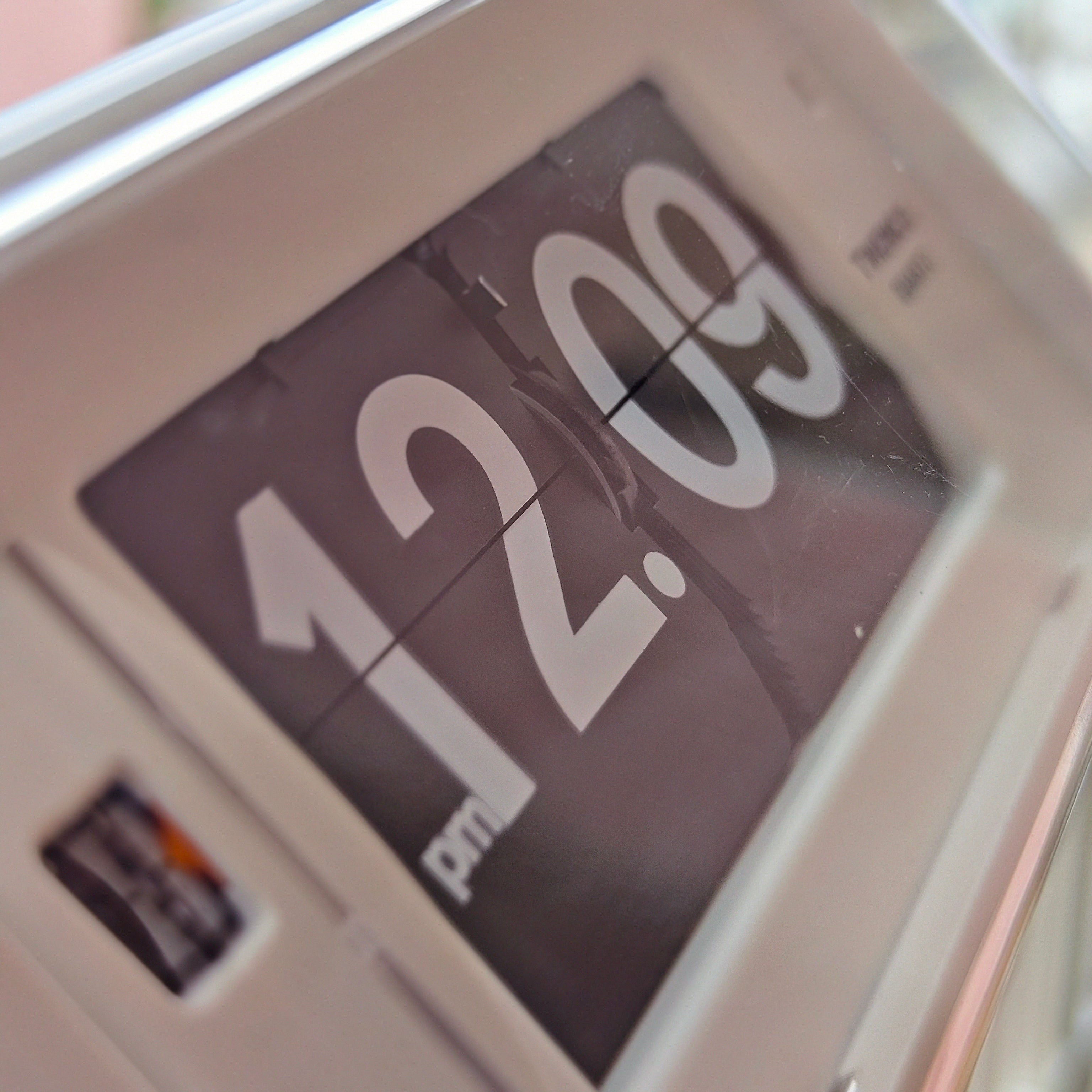
How a Flip Clock Fits Into a Timeless Lifestyle Aesthetic
Mid-Century Modern (MCM) design has never really left—it just keeps evolving. What started in the post-war design boom of the 1940s–1960s has become one of the most enduring interior styles in the world. In 2026, MCM is less about nostalgia and more about intentional living: clean lines, warm materials, and curated simplicity.
And surprisingly, one small object has become a quiet hero in this aesthetic comeback: the flip clock.
This guide explores how to style Mid-Century Modern interiors today—and how a flip clock fits naturally into that lifestyle-focused design philosophy.
What Defines Mid-Century Modern Style?
At its core, MCM design is built on balance: functionality meets beauty.
Key characteristics include:
-
Clean, geometric lines
-
Organic and natural shapes
-
Warm wood tones (especially walnut and teak)
-
Functional, uncluttered layouts
-
A mix of natural and industrial materials
-
Subtle retro influence without excess decoration
Unlike maximalist styles, MCM is about restraint. Every object in a space is intentional.
That’s exactly why small functional décor pieces—like flip clocks—fit so well.

The 2026 Evolution of MCM
Modern interpretations of MCM in 2026 lean toward what designers often call “soft minimalism.”
This updated version includes:
-
Warmer lighting instead of harsh white LEDs
-
More tactile materials (wood, brushed metal, stone)

-
Fewer but higher-quality objects
-
A stronger focus on emotional comfort
-
Analog accents to reduce digital fatigue

In this environment, design is not just visual—it’s experiential.
Why Flip Clocks Belong in MCM Interiors
A flip clock might seem simple, but in a well-designed MCM space, it becomes a statement piece.
Here’s why it works so well:
1. Mechanical Authenticity
MCM design celebrates honest materials and visible function.
A flip clock:
-
Shows its mechanical nature
-
Moves visibly and purposefully
-
Avoids digital “invisibility”
It fits the MCM principle that form should follow function—and sometimes reveal it.
2. Sculptural Simplicity
Good MCM objects often feel like small sculptures.
A flip clock offers:
-
Clean rectangular geometry
-
Strong visual symmetry
-
Minimal surface distraction
-
A rhythmic sense of movement
It sits quietly on a desk or shelf, yet still feels alive.
3. Warm Nostalgia Without Clutter
MCM is nostalgic—but not chaotic.
A flip clock brings:
-
Retro energy without visual overload
-
A subtle reference to mid-century technology
-
A sense of time passing physically
It adds emotion without breaking the clean aesthetic.
4. The Analog Contrast to Digital Life
Modern homes are filled with screens.
MCM interiors in 2026 often aim to reduce that dominance by introducing analog objects.
A flip clock:
-
Breaks the dominance of screens
-
Adds physical interaction to timekeeping
-
Softens the digital atmosphere
It becomes a grounding object in a tech-heavy environment.
Where to Place a Flip Clock in an MCM Home
Placement matters as much as the object itself.
Living Room: The Quiet Focal Point
In an MCM living room:
-
Place the flip clock on a low wooden console
-
Pair it with ceramic vases or sculptural objects
-
Keep surrounding surfaces uncluttered
It should feel like part of the architecture, not decoration.
Home Office: Functional Aesthetic Layer
On a desk:
-
Combine with walnut wood accessories
-
Pair with neutral stationery organizers
-
Avoid visual noise (no cluttered tech setups)
The flipping motion adds subtle rhythm to work sessions.
Bedroom: Soft Analog Comfort
In bedrooms:
-
Place it on a bedside table with warm lighting
-
Avoid bright digital alarms
-
Use it as a calm time reference instead of a screen
It supports a more restful environment.
Materials That Complete the MCM Look
A flip clock works best when surrounded by compatible materials.
Ideal pairings include:
Wood
-
Walnut (classic MCM choice)
-
Teak
-
Light oak for modern interpretations
Metal
-
Brushed aluminum
-
Matte black steel
-
Brass accents
Textiles
-
Linen
-
Wool
-
Neutral-toned upholstery
Together, these materials create visual harmony.
Color Palette for 2026 MCM Spaces
To integrate a flip clock seamlessly, stick to a grounded palette:
-
Warm beige
-
Muted olive green
-
Soft terracotta
-
Walnut brown
-
Charcoal grey
-
Off-white
The goal is cohesion, not contrast overload.
Styling Principle: “One Hero, Many Silences”
A key rule in modern MCM interiors is restraint.
Instead of filling a space, you choose:
-
One focal object (like a flip clock)
-
And let everything else support it
This creates:
-
Visual clarity
-
Emotional calm
-
Stronger design identity
A flip clock works especially well as that “quiet hero.”
Why This Aesthetic Works in 2026
People are increasingly drawn to interiors that feel:
-
Human
-
Slow
-
Tangible
-
Intentional
Mid-Century Modern design naturally aligns with this shift. It doesn’t chase trends—it refines them.
And in that context, the flip clock is more than décor. It becomes a symbol of analog rhythm in a digital world.
Final Thoughts
Styling a Mid-Century Modern space in 2026 is not about recreating the past—it’s about filtering it through modern life.
A flip clock fits into this philosophy perfectly:
-
It is functional without being loud
-
Retro without being kitschy
-
Minimal yet full of character
In a well-designed MCM home, it doesn’t just tell time.
It defines it—one quiet flip at a time.