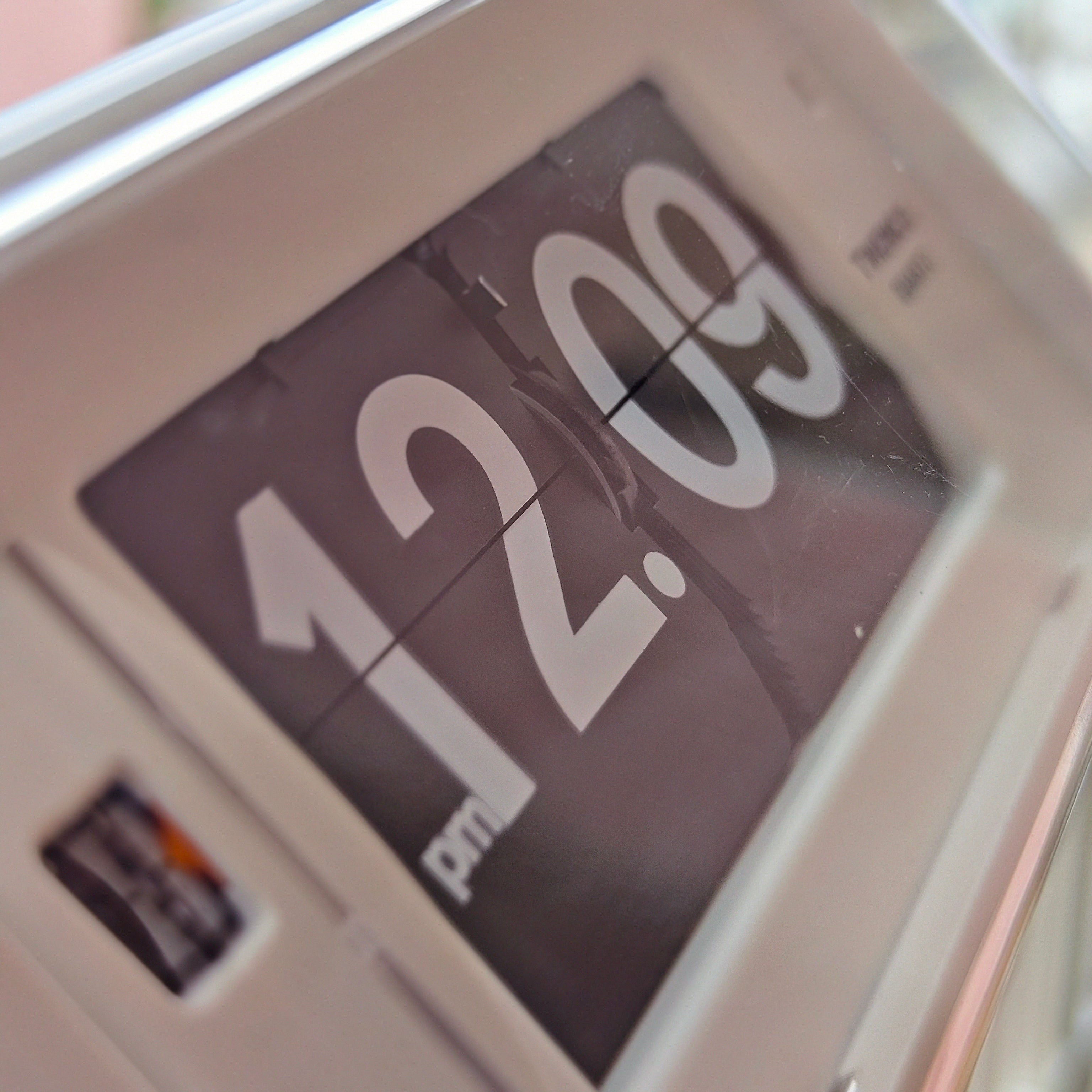
Mechanical flip clocks are more than just time-telling devices; they are intricate pieces of engineering and design history. For collectors and enthusiasts, preserving the longevity and pristine operation of these unique timepieces is paramount. Proper cleaning and maintenance not only ensure accurate timekeeping but also safeguard your investment and the aesthetic appeal of your cherished clock. This guide will walk you through essential steps to keep your mechanical flip clock in top condition, incorporating both routine care and when to seek professional help.
Understanding Your Mechanical Flip Clock
Before diving into maintenance, it's crucial to understand the basic components of your mechanical flip clock. At its heart is a motor (either an AC synchronous motor in vintage models or a battery-powered quartz movement in modern ones, as discussed in Inside the Flip: The Mechanical Engineering That Makes These Clocks Timeless), a gear train, and the iconic leaf assemblies. These components work in harmony to display time, and each requires specific care.
Routine Cleaning: Keeping Dust and Grime at Bay
Dust is the enemy of any mechanical device. Regular, gentle cleaning can prevent accumulation that might impede the smooth operation of the flip mechanism.
1.Exterior & Acrylic Window Care: Use a soft, lint-free microfiber cloth to wipe the casing. If your clock is a vintage model (like Copal or Panasonic) with a clear acrylic or polystyrene window, be extremely careful. Never use glass cleaners containing ammonia, isopropyl alcohol, or harsh solvents. These chemicals can cause "stress-crazing" (micro-fracturing) or permanent clouding of the clear plastic. Instead, use a cloth dampened with lukewarm water and a drop of mild dish soap, or a specialized plastic polish like Novus or PolyWatch.
2.Leaf Cleaning & The "Dry Card Rule": Gently wipe each leaf with a dry, soft cloth. It is critical to follow the Dry Card Rule: oil or grease must never touch the plastic flip cards or the central drum vanes. Even microscopic oil residue creates capillary surface tension between the cards, causing them to stick together in clumps and permanently jam the mechanism. Avoid using any liquids on the leaves, as this can damage the printing.
3.Ventilation: Ensure your clock is placed in an area with good air circulation to minimize dust buildup. Avoid overly humid environments, which can lead to corrosion over time.
Deeper Cleaning and Lubrication: When to Go Beyond the Surface
Over time, even with routine dusting, the internal mechanisms can accumulate fine dust and old lubricants can dry out, leading to sluggish performance or complete stoppage. This is where deeper cleaning and lubrication become necessary.
Warning: Attempting to disassemble and lubricate a clock movement without proper knowledge and tools can cause irreversible damage. If you are unsure, always consult a professional horologist.
For those with experience or a keen interest in DIY, here are general principles:
- Motor Cleaning: The motor, particularly its shaft and bearings, is a common point of failure due to dried lubricants or dust. As detailed in discussions on forums like Flip Clock Fans, careful cleaning of these parts is crucial. This often involves disassembling the motor (if possible) and cleaning with appropriate solvents, then re-lubricating.
- Gear Train Lubrication: The gear train requires specialized synthetic clock oils, not general-purpose lubricants like WD-40, which attract dust and gum up the movement. A guide from Frankenmuth Clock Company emphasizes using the correct type and minimal amounts of oil only on pivot points. Reiterate the Golden Rule: Ensure no oil migrates to the leaf assembly, as even a tiny amount will cause the cards to stick and fail.
- Professional Service: For complex issues, or if your clock is a valuable vintage piece (like those in Dong's Vintage Collection), professional cleaning and oiling every 5-10 years is highly recommended. A comprehensive guide to mechanical clock maintenance from Time and Seasons Clock Repair highlights the benefits of expert care for longevity.
Troubleshooting Common Issues
- Clock Stops/Slows: Often due to dust buildup, dried lubricant, or a weak battery (for quartz models). Try cleaning and, if battery-powered, replace the battery.
- Leaves Jam: Usually caused by dust, bent leaves, or misalignment. Gently inspect the leaves for obstructions. Never force them.
- Inaccurate Time: For AC synchronous clocks, this could indicate power frequency fluctuations. For quartz clocks, a dying battery is the most common culprit.
Preserving Your Investment
Proper maintenance is an act of respect for the craftsmanship and history embodied in your mechanical flip clock. By following these guidelines, you ensure that your timepiece continues to function beautifully and remains a captivating focal point in your home for generations to come. Whether it's a robust Fartech or a classic Twemco, a well-maintained flip clock is a testament to enduring quality.