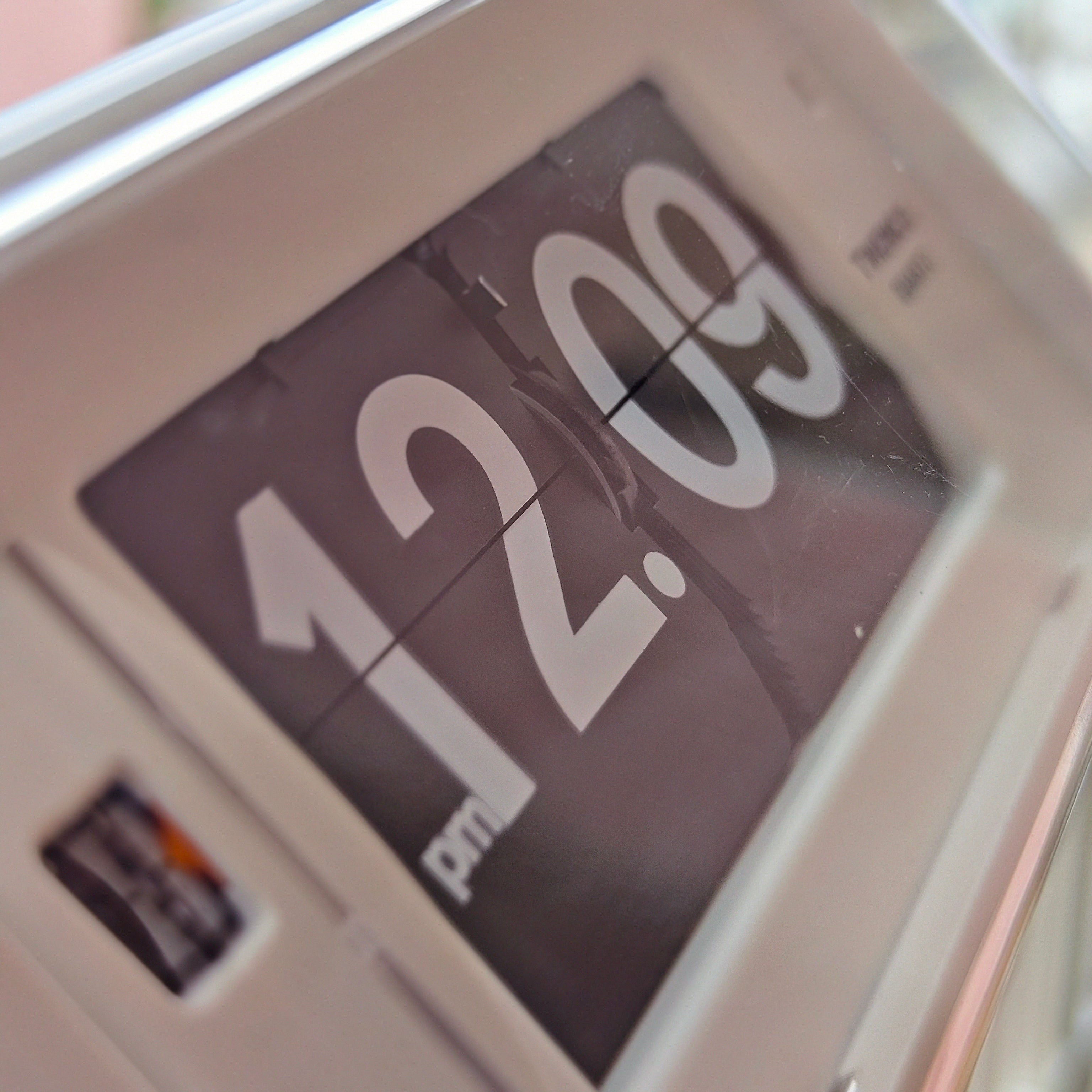
In the world of horology and interior design, certain objects transcend their functional purpose to become highly sought-after collectibles. Over the past few years, vintage mechanical flip clocks have experienced a massive resurgence in popularity, driven by the analog aesthetic movement and a collective desire for tactile, mechanical objects. At the very pinnacle of this vintage market sits one name: Copal.
If you are browsing Dong's Vintage Collection or hunting for authentic retro decor, you will inevitably encounter Japanese Copal flip clocks. They often command premium prices, leaving many buyers wondering: are these 50-year-old clocks truly worth the investment in 2026?
The short answer is yes. But to understand why, we must look at the history, the engineering, and the enduring design appeal of the Copal brand.
The Golden Age of Japanese Engineering
To appreciate a Copal clock, you have to understand the era in which it was built. During the late 1960s and throughout the 1970s, Japan was experiencing a golden age of precision manufacturing and electronics. Copal, originally a manufacturer of highly precise photographic shutters, applied their expertise in micro-mechanics to the production of digital clocks.
The result was a revolution in timekeeping. Copal did not invent the flip clock, but they arguably perfected the mechanism for the consumer market. They utilized a synchronous motor design that was incredibly quiet, highly accurate, and built to last. While other manufacturers used cheaper plastics and less precise gearing, Copal over-engineered their clocks. This is precisely why so many of them are still ticking away accurately half a century later.
Why Copal Clocks Hold Their Value
When evaluating whether a vintage item is a sound investment, collectors look at three main factors: build quality, aesthetic appeal, and scarcity. Copal excels in all three.
1. Unmatched Build Quality
The internal mechanisms of a genuine Copal clock are a marvel of mid-century engineering. The motors are robust, and the gearing is precise. Unlike modern, mass-produced clocks that are designed with planned obsolescence in mind, a Copal was built to be a permanent fixture in a home. When properly maintained or professionally restored, a Copal clock from 1974 will run just as reliably today as the day it left the factory. This inherent durability means your investment is not going to break down after a year of use.
2. Iconic Space-Age Design
Aesthetically, Copal clocks are the definition of 1970s "Space Age" and Mid-Century Modern design. They feature sleek, aerodynamic silhouettes, often utilizing materials like faux wood grain, brushed aluminum, and high-quality acrylics.
They perfectly capture the optimism and forward-looking design language of the era. Today, as interior designers increasingly incorporate mid-century wall clocks and retro desk accessories into modern spaces, the authentic look of a Copal is highly prized. It is a piece of functional art that instantly elevates the character of a room.
3. Increasing Scarcity
The most significant factor driving the value of Copal clocks is scarcity. Copal stopped manufacturing these mechanical flip clocks decades ago as the market shifted toward cheaper LED and LCD digital displays.
Every year, the pool of surviving, fully functional Copal clocks shrinks. Finding one in excellent cosmetic condition, with a quiet motor and smooth flipping action, is becoming increasingly difficult. As demand from collectors and design enthusiasts continues to outpace the finite supply, the market value of these clocks steadily rises.
What to Look for When Buying a Vintage Copal
If you decide to invest in a Copal, there are a few things to keep in mind to ensure you are getting a quality piece.
First, check the motor noise. While all mechanical clocks make some sound, a healthy Copal motor should emit a low, smooth hum. If it sounds like it is grinding or rattling loudly, the motor may need servicing.
Second, examine the flip cards. Ensure that none are missing, torn, or severely yellowed (though slight yellowing is normal and adds to the vintage patina).
Finally, consider buying from a reputable restorer or a curated collection, rather than taking a gamble on an untested auction site. Buying a piece that has been cleaned, lubricated, and tested ensures that your investment is ready to be displayed and enjoyed immediately.
A Tangible Piece of History
In 2026, we are surrounded by disposable technology. Investing in a vintage Japanese Copal flip clock is a rejection of that trend. It is a purchase that honors exceptional engineering and timeless design. Whether you view it as a financial investment that will appreciate in value, or simply an aesthetic investment in the beauty of your home, a Copal clock is undoubtedly worth the price of admission.