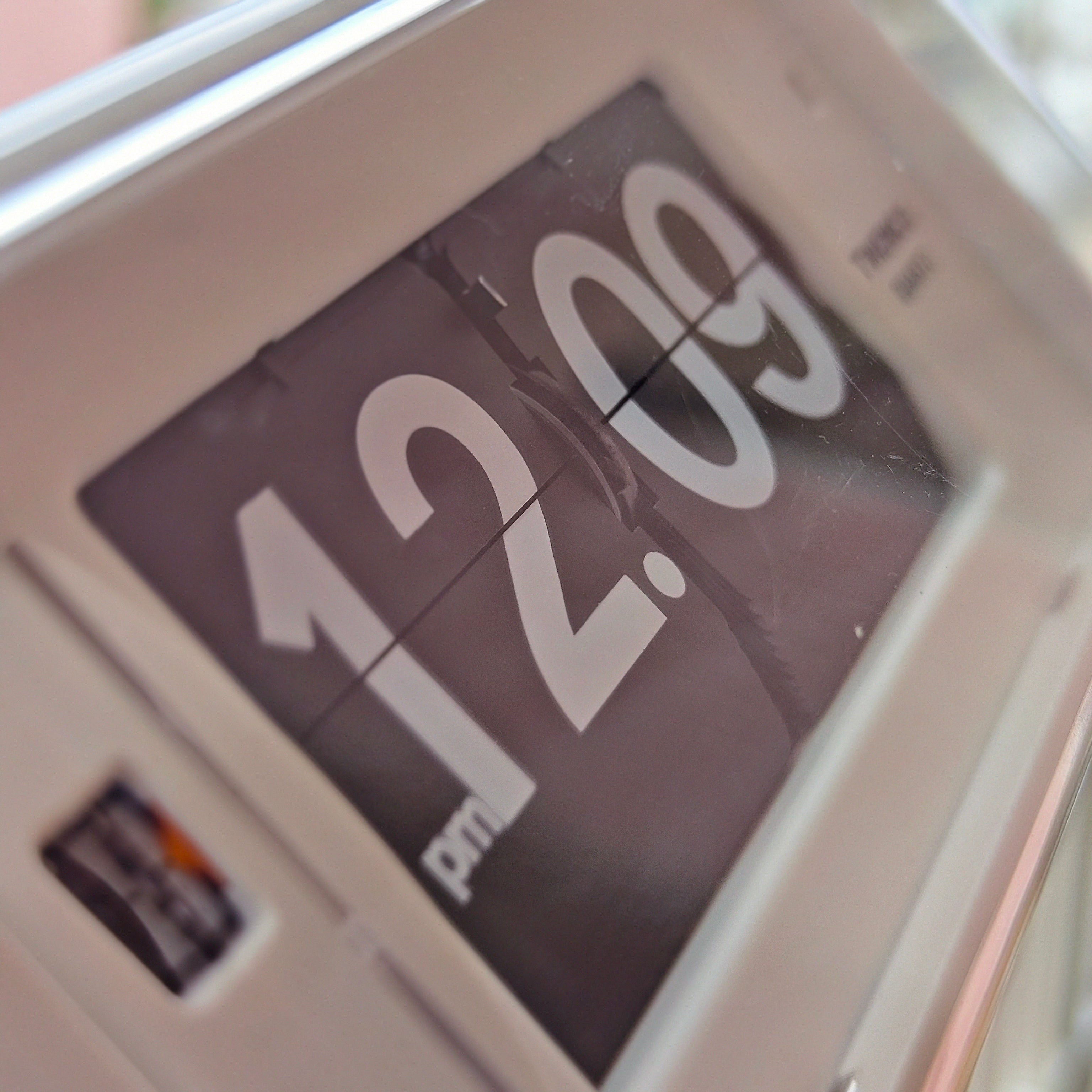
The modern workspace is evolving. While the push for ultra-minimalist, purely digital environments dominated the last decade, a new trend is taking hold among tech enthusiasts, developers, and creatives: the retro-tech aesthetic. This design philosophy blends high-performance modern computing with tactile, analog hardware from the past. Mechanical keyboards, vintage synthesizers, and exposed-component aesthetics are all the rage. At the center of this movement, anchoring the desk with kinetic energy and mechanical precision, is the flip clock.
The Appeal of Tactile Technology
The retro-tech aesthetic is a reaction against the frictionless nature of modern touchscreens. It celebrates devices that have physical weight, mechanical action, and a distinct sensory presence.
A mechanical flip clock is the epitome of this philosophy. The precise engineering required to flip the PVC cards, the soft hum of the motor, and the definitive "thwack" as the minute changes provide a satisfying, tangible experience. It is a piece of technology that you can see working. This appreciation for visible mechanics is why flip clocks pair so perfectly with custom mechanical keyboards and high-end audio gear. For a deeper understanding of the engineering behind these devices, explore our article on how a mechanical flip clock actually works.
Curating the Retro-Tech Desk
Building a cohesive retro-tech desk setup requires balancing the old with the new. Here is how to integrate a flip clock into your workspace effectively:
1.Choose the Right Clock: The clock should complement your existing gear.
- If your setup features sleek, black peripherals and RGB lighting, a black Twemco QT-30 offers a professional, institutional look that contrasts beautifully with modern lighting.
- If you lean towards a more "cyberpunk" or exposed-hardware aesthetic, consider models from the Fartech collection that feature visible gears and raw metal finishes.
- For a truly authentic vintage vibe, a restored 1970s Copal from Dong's Vintage Collection adds undeniable historical provenance.
2.Positioning for Impact: Place the flip clock where it can be easily read but doesn't obstruct your monitors. Underneath a raised monitor stand or off to the side next to a pair of studio monitors are ideal locations. The clock should act as a secondary focal point, drawing the eye when you look away from the screen.
3.Lighting the Setup: Proper lighting enhances the retro-tech vibe. Use warm, ambient light (like an Edison bulb desk lamp or warm-toned LED strips) to highlight the texture of the flip cards and the casing of the clock. This creates a cozy, inviting atmosphere that contrasts with the harsh blue light of monitors.
The Productivity Benefit
Beyond aesthetics, integrating a flip clock into your desk setup has tangible productivity benefits. It encourages "analog productivity"—the practice of using physical tools to manage time and tasks, thereby reducing digital distractions.
Having a physical clock on your desk allows you to check the time without opening a new tab or looking at your phone, both of which are gateways to distraction. It helps maintain focus and flow state. We explore this concept further in our piece on analog productivity and why more people are turning back to physical time.
A Workspace with Character
The retro-tech aesthetic is about creating a workspace that feels personal, functional, and deeply inspiring. By combining the raw processing power of modern computers with the mechanical charm of a flip clock, you create an environment that celebrates the entire spectrum of technological design. It transforms a standard desk into a curated studio, ready for deep work and creative exploration.